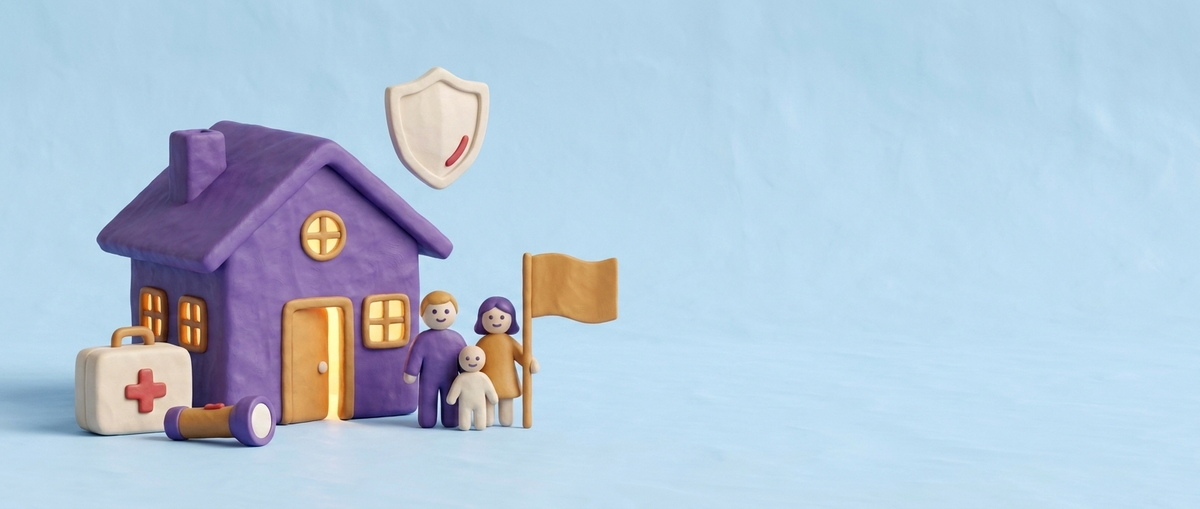
After the 998 call a silent race begins: a team hunting for your address, and a patient who needs every minute. What you do in these minutes shortens the race — paramedics will tell you their biggest delay is rarely distance but the "last approach": the gate, the building, the flat.
In short — what to do
- Stay on the line and don't hang up until the dispatcher says so — they will guide what to do with the patient until arrival.
- Send a greeter: someone at the gate or building entrance waving to the team — and turn on the outside lights at night.
- Clear the path indoors: move furniture out of the stretcher's way, shut pets in a room, and move children away from the scene.
- Pack the hospital bag: ALL the patient's medicines in their boxes, their reports, ID and insurance card — put it by the door.
- Do not feed or give drink to the patient however much they ask — they may need anaesthesia or surgery.
- Note the times: when did symptoms start? When did consciousness change? — the team's first two questions.
This topic’s video is coming soon on our channels — follow us
@lahzaem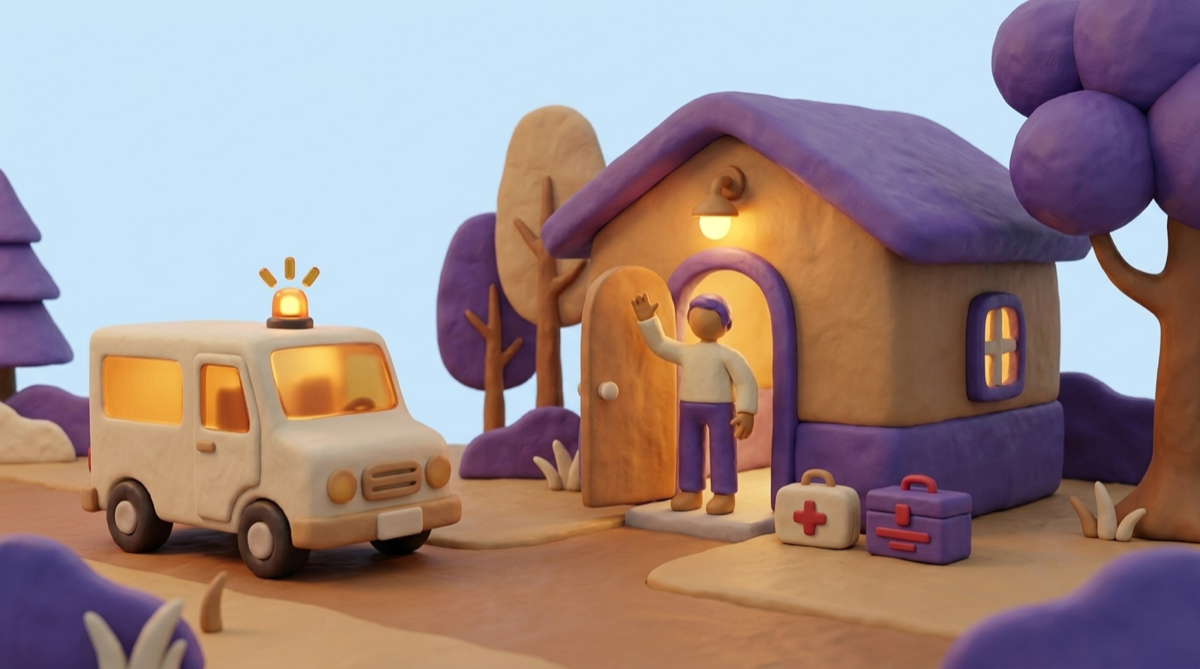
While you wait for the team
- Stay on the line and don't hang up until the dispatcher says so — they will guide what to do with the patient until arrival.
- Send a greeter: someone at the gate or building entrance waving to the team — and turn on the outside lights at night.
- Clear the path indoors: move furniture out of the stretcher's way, shut pets in a room, and move children away from the scene.
- Pack the hospital bag: ALL the patient's medicines in their boxes, their reports, ID and insurance card — put it by the door.
- Do not feed or give drink to the patient however much they ask — they may need anaesthesia or surgery.
- Note the times: when did symptoms start? When did consciousness change? — the team's first two questions.
What will the paramedics ask you?
Prepare your answers while waiting: what exactly happened and when? What conditions, medicines, allergies? Did they lose consciousness? Last food and drink? — ready answers = a faster departure to hospital.
 Don't
Don't
- Don't drive the patient yourself "because it's faster" after calling — the team starts treatment from your doorstep; you can't.
- Don't crowd around the patient — one or two people are enough, with space for the team.
- Don't give your own medicines the patient doesn't usually take without the dispatcher's guidance.
One moment
The best thing the team can find on arrival: an open door, a waving person, a clear path, and a ready medicine bag — that's when you become part of the rescue team.
This content is for general health education only and is not medical advice. Always seek guidance from a qualified healthcare professional. In an emergency, call 998.