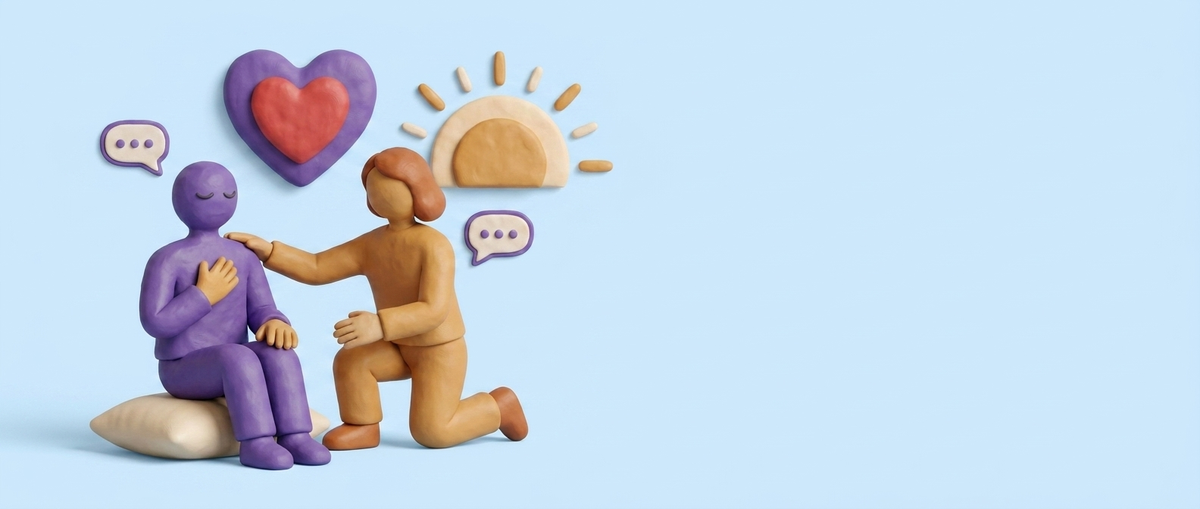
Severe agitation can come from a mental-health crisis, intoxication, low blood sugar, heat stroke or severe pain — so it is sometimes a medical symptom, not "bad manners". Escalating back (shouting, threatening, grabbing) raises the danger for everyone.
In short — what to do
- Keep a safe distance and never corner them — keep an exit path open for you and for them.
- Lower your own voice first: slow speech, short sentences, calm tone — calm is as contagious as anger.
- Open, visible hands at chest height — non-threatening body language.
- Name their feeling and offer help: "I can see you're very angry — how can I help?" instead of "calm down".
- Don't argue with the content if they are confused or delusional — neither agree nor mock; say "I understand this feels frightening."
- Move bystanders and children away, and quietly remove any dangerous objects nearby.
This topic’s video is coming soon on our channels — follow us
@lahzaem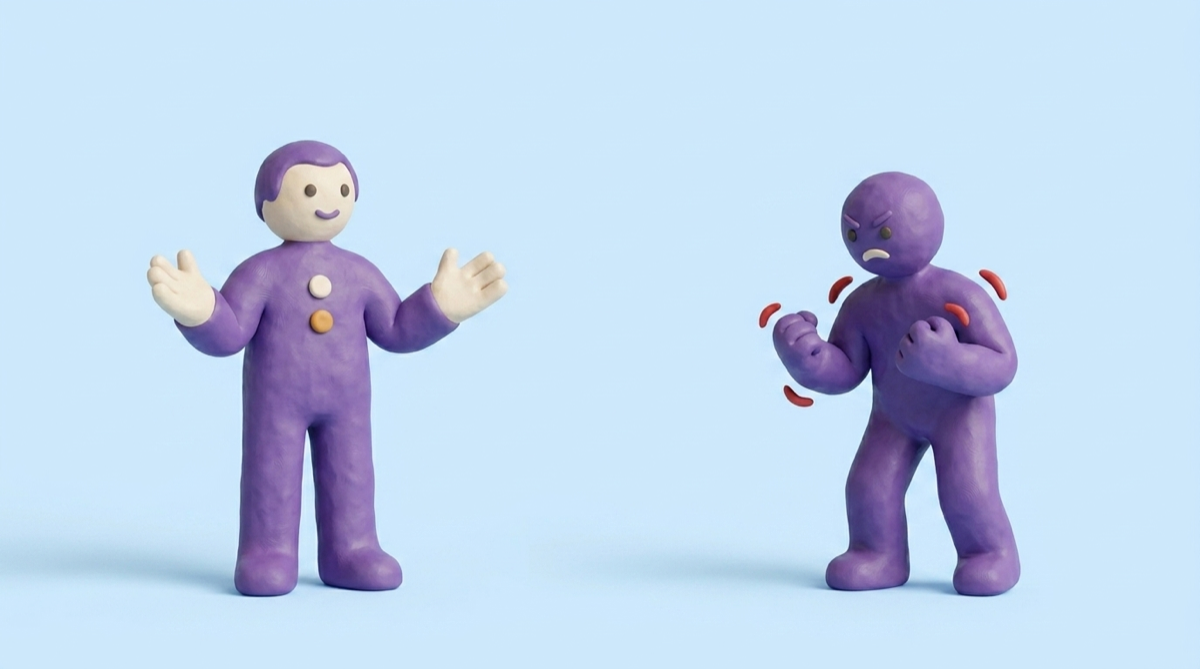
The rules of de-escalation
- Keep a safe distance and never corner them — keep an exit path open for you and for them.
- Lower your own voice first: slow speech, short sentences, calm tone — calm is as contagious as anger.
- Open, visible hands at chest height — non-threatening body language.
- Name their feeling and offer help: "I can see you're very angry — how can I help?" instead of "calm down".
- Don't argue with the content if they are confused or delusional — neither agree nor mock; say "I understand this feels frightening."
- Move bystanders and children away, and quietly remove any dangerous objects nearby.
When do I call for official help?
If there is a weapon or dangerous object, physical harm has started, the agitation keeps rising despite de-escalation, or you suspect a medical cause (intoxication, sugar, heat): call 999 (police) or 998 (ambulance) and state clearly that this is an "acute behavioural emergency" — trained teams exist for this.
 Never do this
- Never restrain or pin them yourself — violent restraint is a major cause of injury and can be fatal.
- Never threaten, mock, or shout back.
- Never turn your back on an agitated person holding an object.
Remember
Your real win is time: every minute you gain by staying calm without escalation is a minute closer to trained help arriving — your job is not to solve the crisis, only to prevent harm.
This content is for general health education only and is not medical advice. Always seek guidance from a qualified healthcare professional. In an emergency, call 998.