
Stroke becomes more common with age, but it is not confined to it. It happens in young adults, in women during pregnancy and after delivery, and even in children. The greater danger in the young is not the disease itself — it is the delay, because the symptoms get explained away as tiredness, migraine or work stress.
In short — what to do
- Face: ask them to smile — does one side droop?
- Arm: raise both arms — does one drift down?
- Speech: a simple sentence — is it slurred or strange?
- Time: any single sign = call an ambulance now, and note the last time they were normal.
This topic’s video is coming soon on our channels — follow us
@lahzaem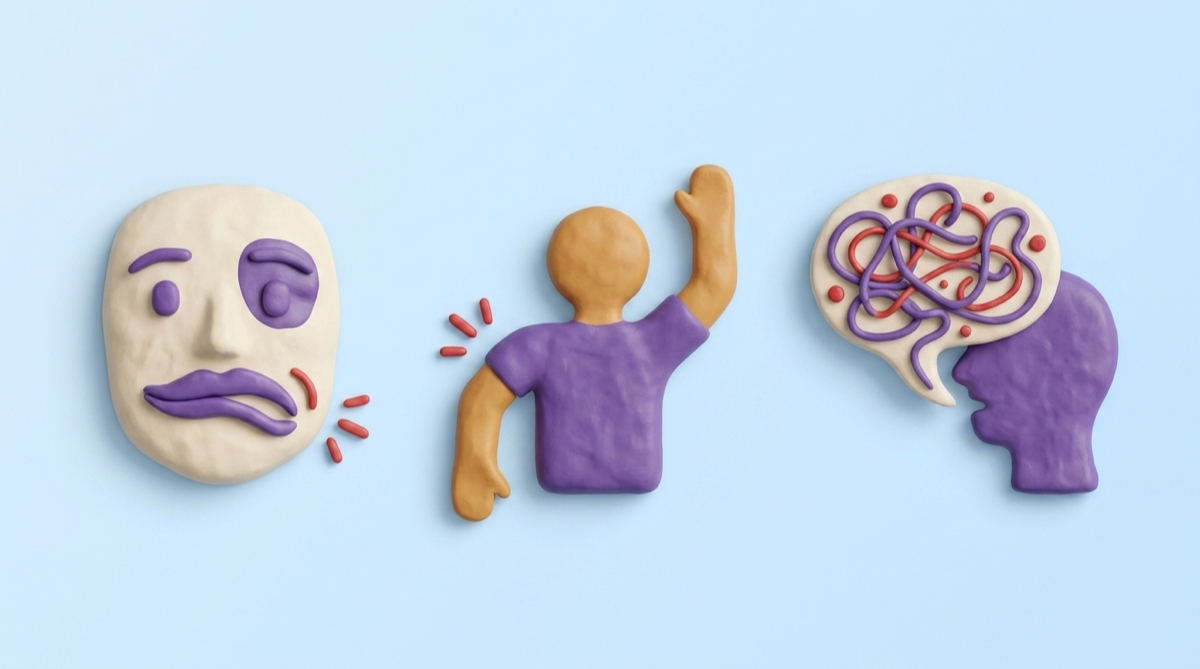
The full details
The test itself does not change with age
- Face: ask them to smile — does one side droop?
- Arm: raise both arms — does one drift down?
- Speech: a simple sentence — is it slurred or strange?
- Time: any single sign = call an ambulance now, and note the last time they were normal.
What raises the risk in younger people?
- Neck artery dissection after injury or a violent neck movement.
- Clotting disorders and some congenital heart conditions.
- Pregnancy and the postpartum period; the contraceptive pill combined with smoking.
- Uncontrolled blood pressure and diabetes — both starting earlier than we assume.
- Stimulant and drug use.
 The most overlooked sign in the young
- A sudden severe headache described as the worst of their life — not to be explained as "a bad migraine", but assessed immediately.
- Sudden severe dizziness with loss of balance or double vision.
- Sudden numbness or weakness on one side — even if it resolves within minutes.
The message
Do not delay because of age. The sentence we hear often in the ER is: "we never expected it — he’s 35." Early treatment does not ask how old you are.
This content is for general health education only and is not medical advice. Always seek guidance from a qualified healthcare professional. In an emergency, call 998.