In short — what to do
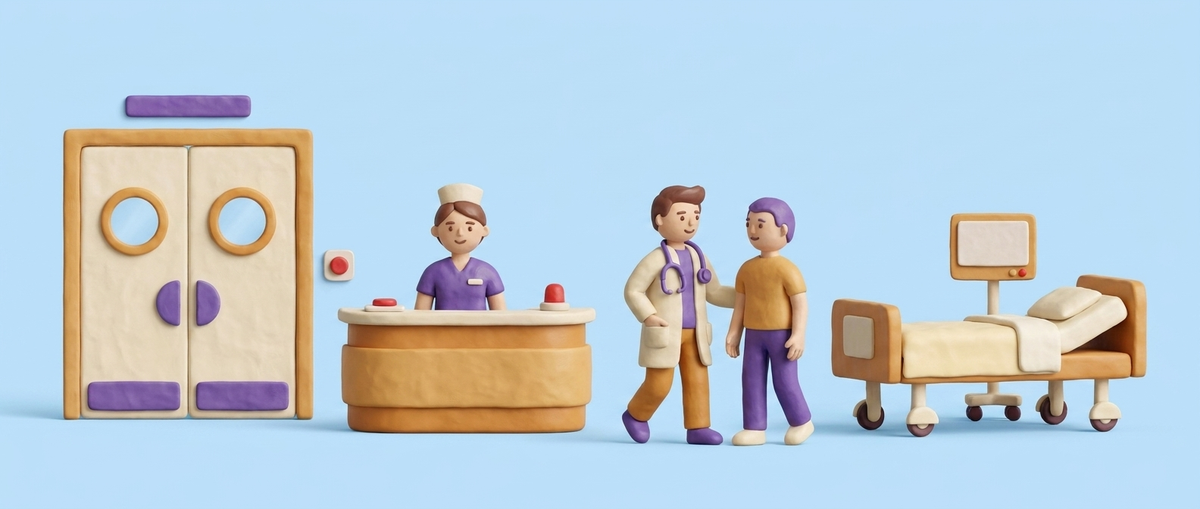
- The triage nurse: the first to meet you — measures how serious your condition is and sets your priority.
- The emergency physician: the leader of your case — trained to handle everything in its first hours: hearts, fractures, poisonings.
- The treatment nurse: carries out the plan: medicines, cannula, monitoring — the closest eye on you.
- The specialist consultant: called when your case needs a specific specialty — cardiology, surgery, paediatrics.
- Radiology and lab technicians: behind the scenes, your samples and images pass through their hands.
This topic’s video is coming soon on our channels — follow us
@lahzaem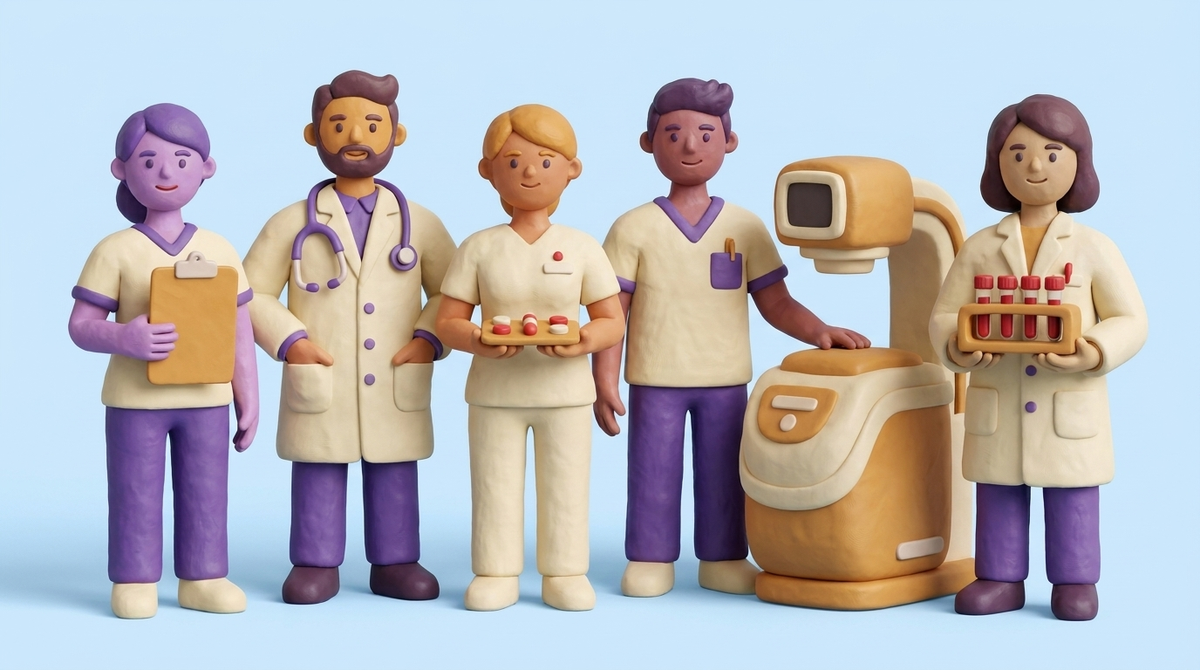
The full details
The main roles
- The triage nurse: the first to meet you — measures how serious your condition is and sets your priority.
- The emergency physician: the leader of your case — trained to handle everything in its first hours: hearts, fractures, poisonings.
- The treatment nurse: carries out the plan: medicines, cannula, monitoring — the closest eye on you.
- The specialist consultant: called when your case needs a specific specialty — cardiology, surgery, paediatrics.
- Radiology and lab technicians: behind the scenes, your samples and images pass through their hands.
Why does everyone ask you the same questions?
It isn't poor communication — it is a deliberate safety net: everyone taking over a role in your care personally verifies the critical facts such as allergies and medicines. The repetition is a safety valve, so answer precisely every time.
Working with the team wisely
- Know whom to ask: treatment-plan questions go to the doctor; "when is my next dose?" goes to the nurse.
- Appoint one family spokesperson to receive updates and relay them to the rest.
- A sincere word of thanks to an exhausted team does more than you imagine.
Worth knowing
Emergency medicine is a specialty in its own right, taking years of training after medical school — its specialty is "the critical first hour of everything", which is why the ER doctor seems to know every field: that is exactly the job.
This content is for general health education only and is not medical advice. Always seek guidance from a qualified healthcare professional. In an emergency, call 998.