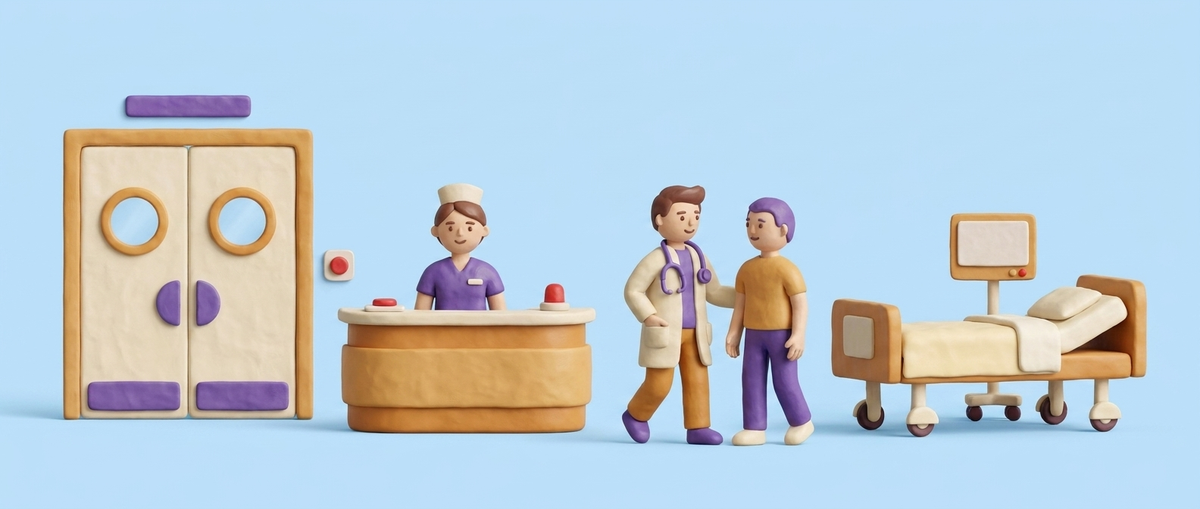
In short — what to do
- To understand: your diagnosis and treatment plan in language you understand — and to request an interpreter if needed.
- To ask: "what is this medicine? why this test?" — always legitimate questions.
- To have your pain treated: and reassessed — never ignored.
- To privacy and dignity: a closed curtain during examination, and confidential health information.
- To consent or refuse: any procedure after its benefits and risks are explained — informed refusal is a competent adult's right.
- To know the next step: at discharge: the instructions, and when to come straight back.
This topic’s video is coming soon on our channels — follow us
@lahzaem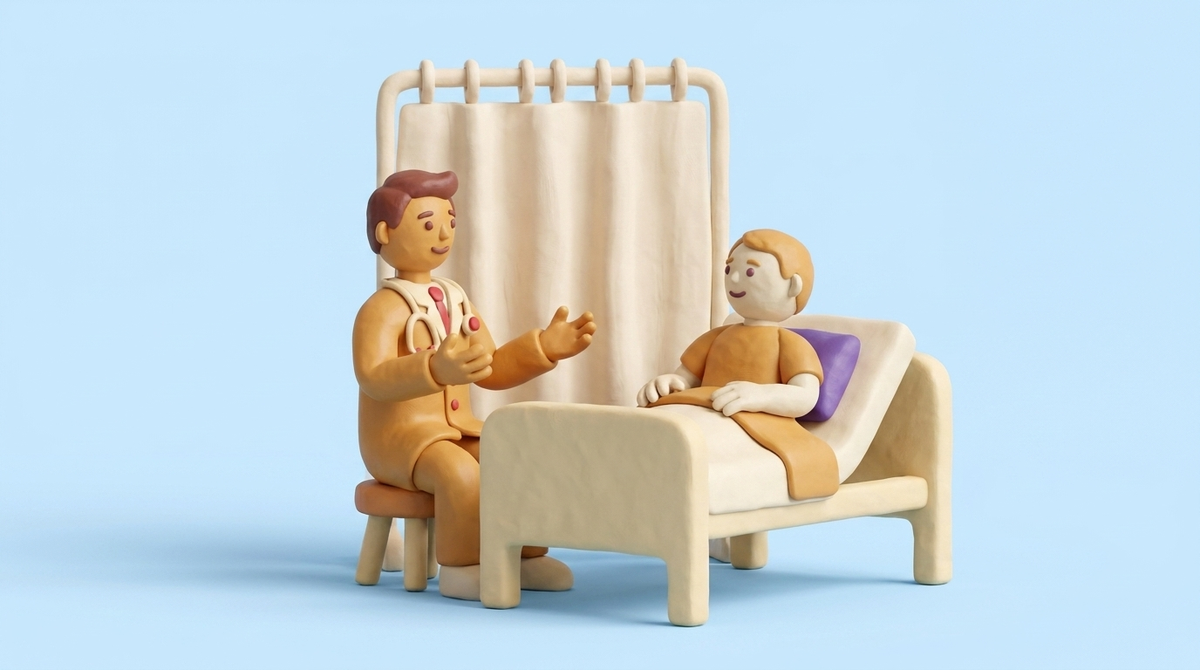
The full details
You have the right
- To understand: your diagnosis and treatment plan in language you understand — and to request an interpreter if needed.
- To ask: "what is this medicine? why this test?" — always legitimate questions.
- To have your pain treated: and reassessed — never ignored.
- To privacy and dignity: a closed curtain during examination, and confidential health information.
- To consent or refuse: any procedure after its benefits and risks are explained — informed refusal is a competent adult's right.
- To know the next step: at discharge: the instructions, and when to come straight back.
Rights come with responsibilities
- Give complete honest information — an incomplete history leads to incomplete decisions.
- Tell the team all your allergies and medicines, including herbs and supplements.
- Respect triage — it protects you on the day you are the sickest one.
- Verbal or physical abuse of healthcare staff is a punishable crime in most countries.
 Above all else
- If you feel your condition worsening while waiting, it is your right — and your duty — to tell the triage nurse immediately for reassessment.
Worth knowing
If anything is unclear before signing any consent, simply say: "explain it to me again" — repeated explanation is part of the treatment, not a burden on anyone.
This content is for general health education only and is not medical advice. Always seek guidance from a qualified healthcare professional. In an emergency, call 998.